

Gucci's Primavera: Desirability Rejuvenated Through Price-value Alignment
Gucci's Primavera: Desirability Rejuvenated Through Price-value Alignment


Gucci's Primavera: Desirability Rejuvenated Through Price-value Alignment
Sep 30, 2026
Marble columns. Velvet seating. Handbags arranged in immaculate rows. As the lights dimmed, one image lingered from Gucci’s “The Store Show”: the House had placed the allure of the brand and the act of buying within the same frame.
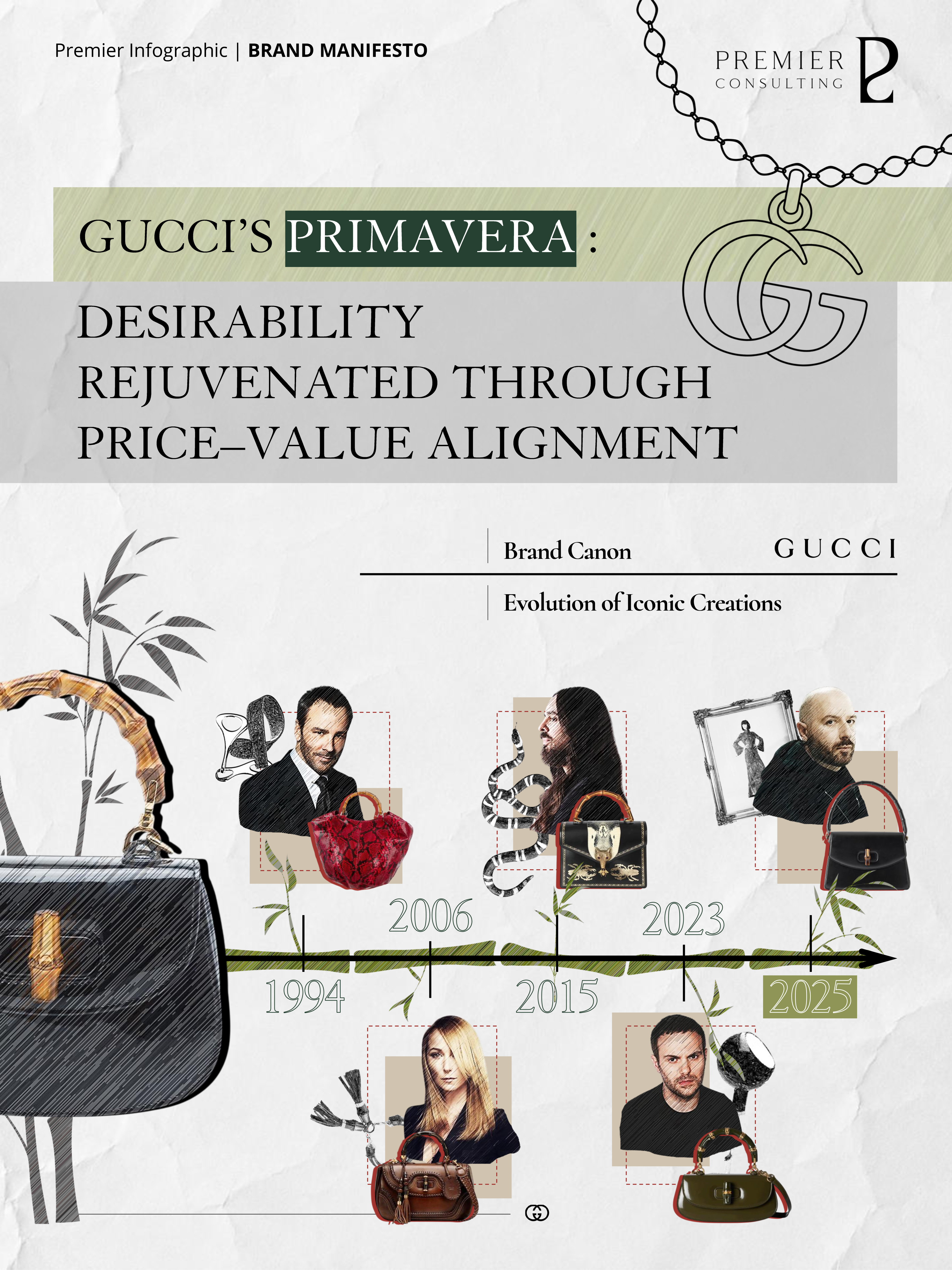
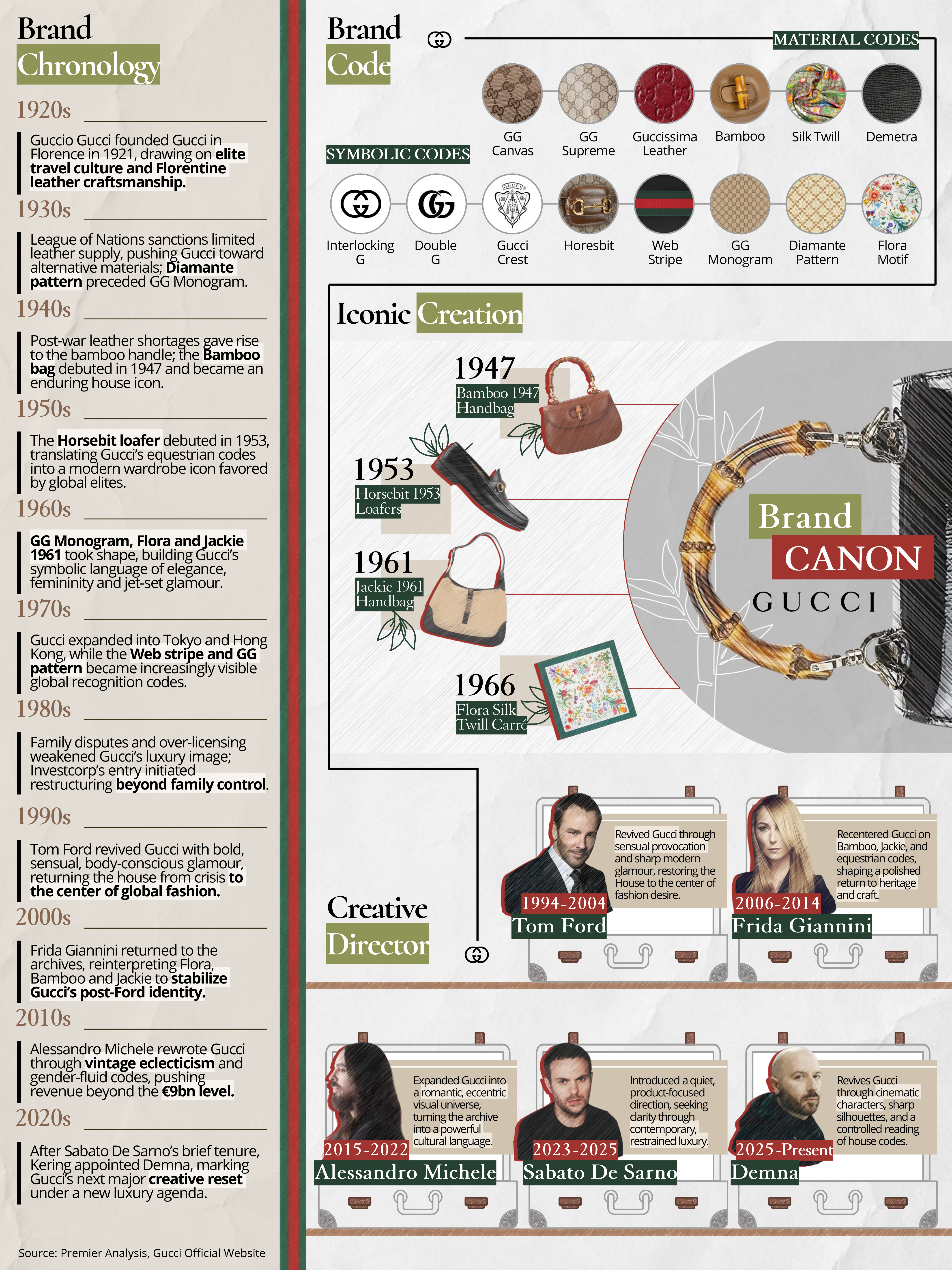
On September 25, Demna transformed a Milan show venue into a Gucci boutique, with models moving through it almost like customers. More than a year into his tenure, he used the Spring/Summer 2027 collection to sketch a new cast of Gucci characters through equestrian dress, subversive prep and evening glamour.
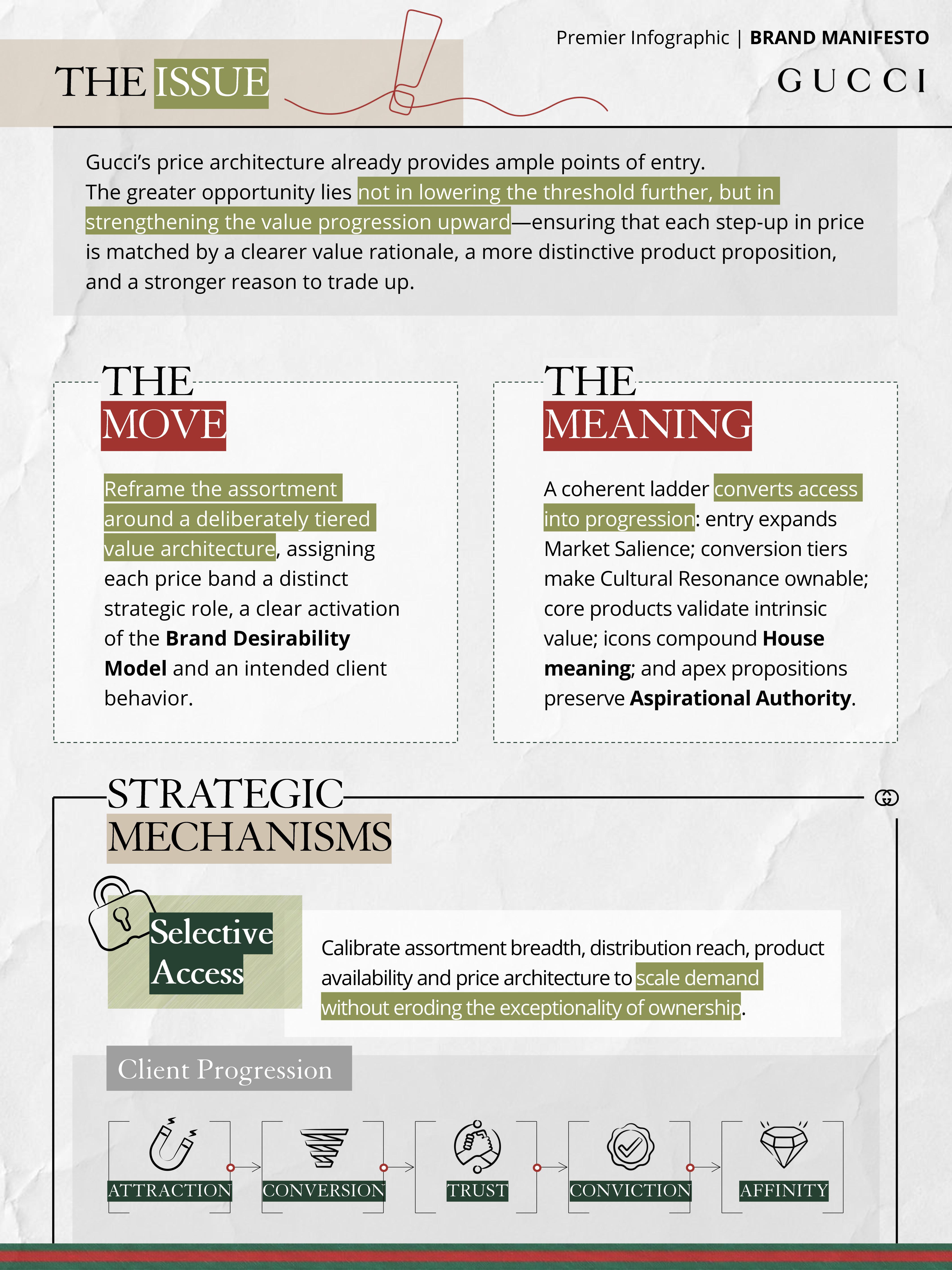
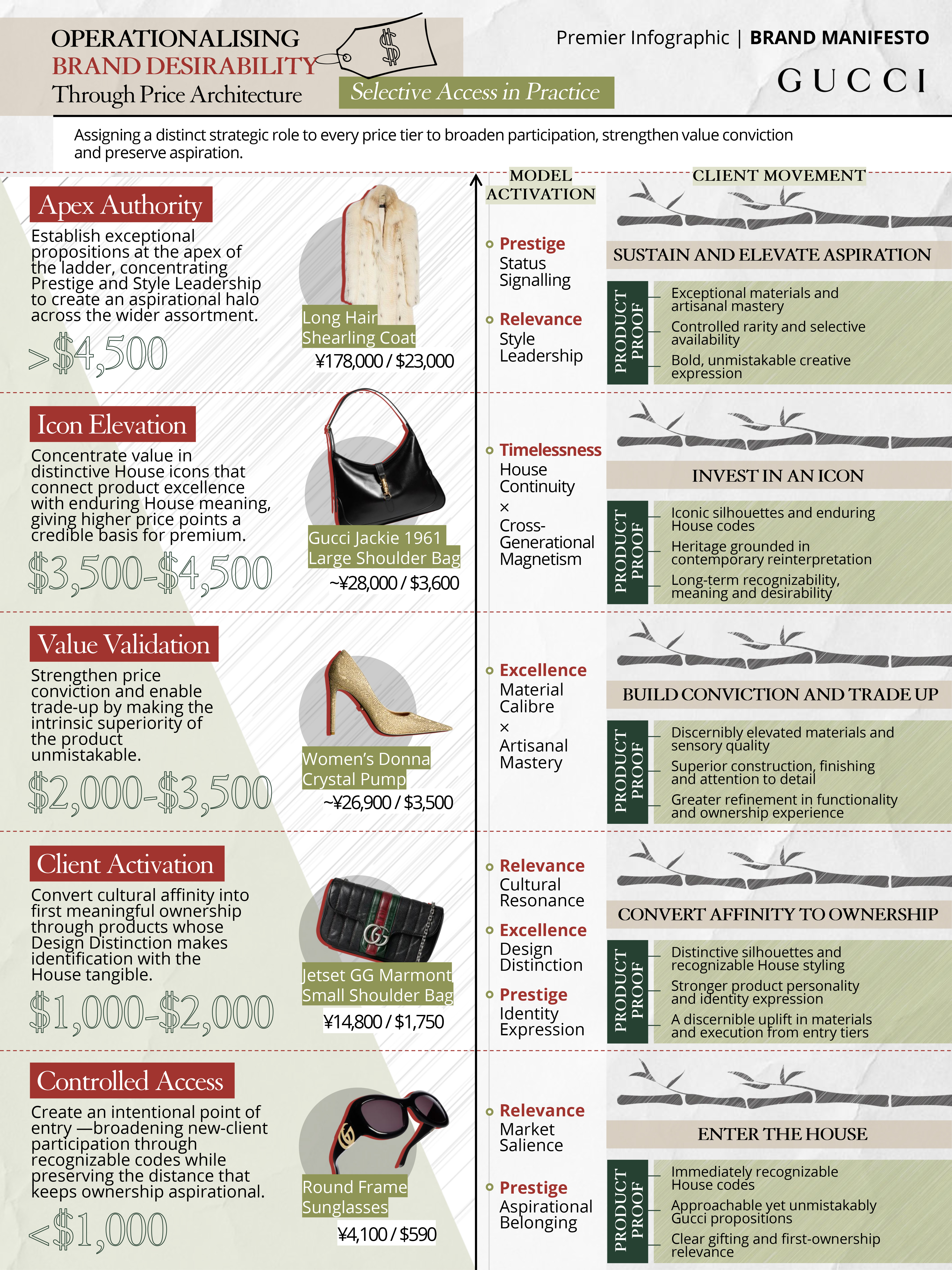
In actual boutiques, another change was already under way. Gucci had lowered the prices of selected handbags in France and China, with the adjustments in China extending to ready-to-wear. The show offered a vision of why people might desire Gucci. Pricing posed the next question: how does that desire become a conviction strong enough to purchase?
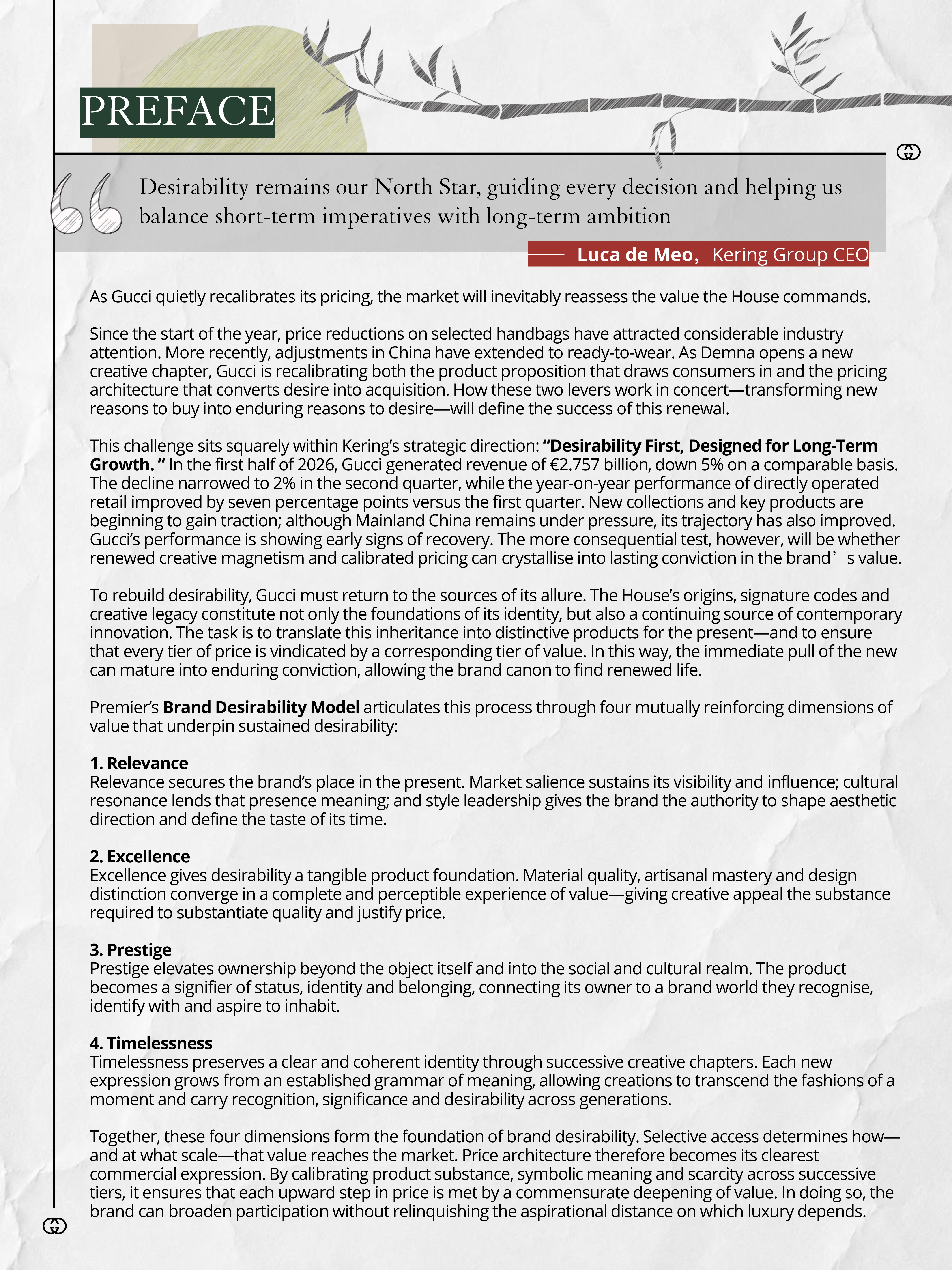
The financial results show signs of recovery—and the distance still to travel. Gucci generated €2.757 billion in revenue in the first half of 2026, down 5% on a comparable basis. In the second quarter, the decline narrowed to 2%, while performance across its directly operated retail network improved by seven percentage points from the first quarter.
New collections and key products appear to be gaining traction. Yet an improving sales trajectory does not, in itself, establish that brand desirability has been restored. Whether this show can sustain creative momentum, and whether the pricing adjustments can strengthen purchase conviction, will be answered by consumers’ choices over time.
This is the central test of Kering’s strategy—“Desirability First, Designed For Long-Term Growth”—as it applies to Gucci. A runway can recapture attention; pricing can reopen a point of entry. The endurance of the revival depends on whether creativity, product and perceived value can make a coherent promise.
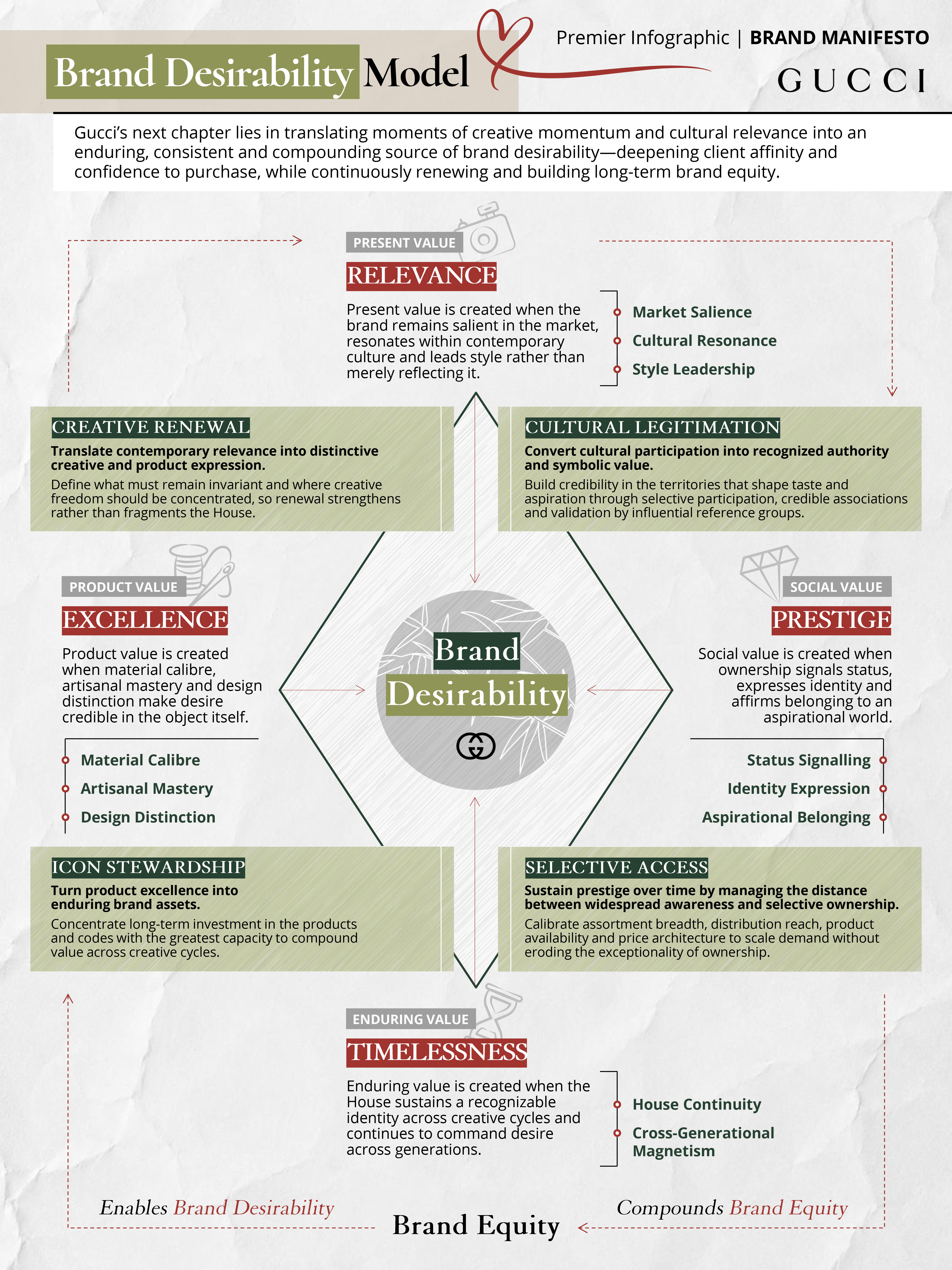
Premier’s Brand Desirability Model examines that promise through four dimensions of value:
Relevance — connecting the House to contemporary culture and ways of living;
Excellence — grounding price conviction in product, craftsmanship and quality;
Prestige — preserving the House’s aspirational stature as participation broadens;
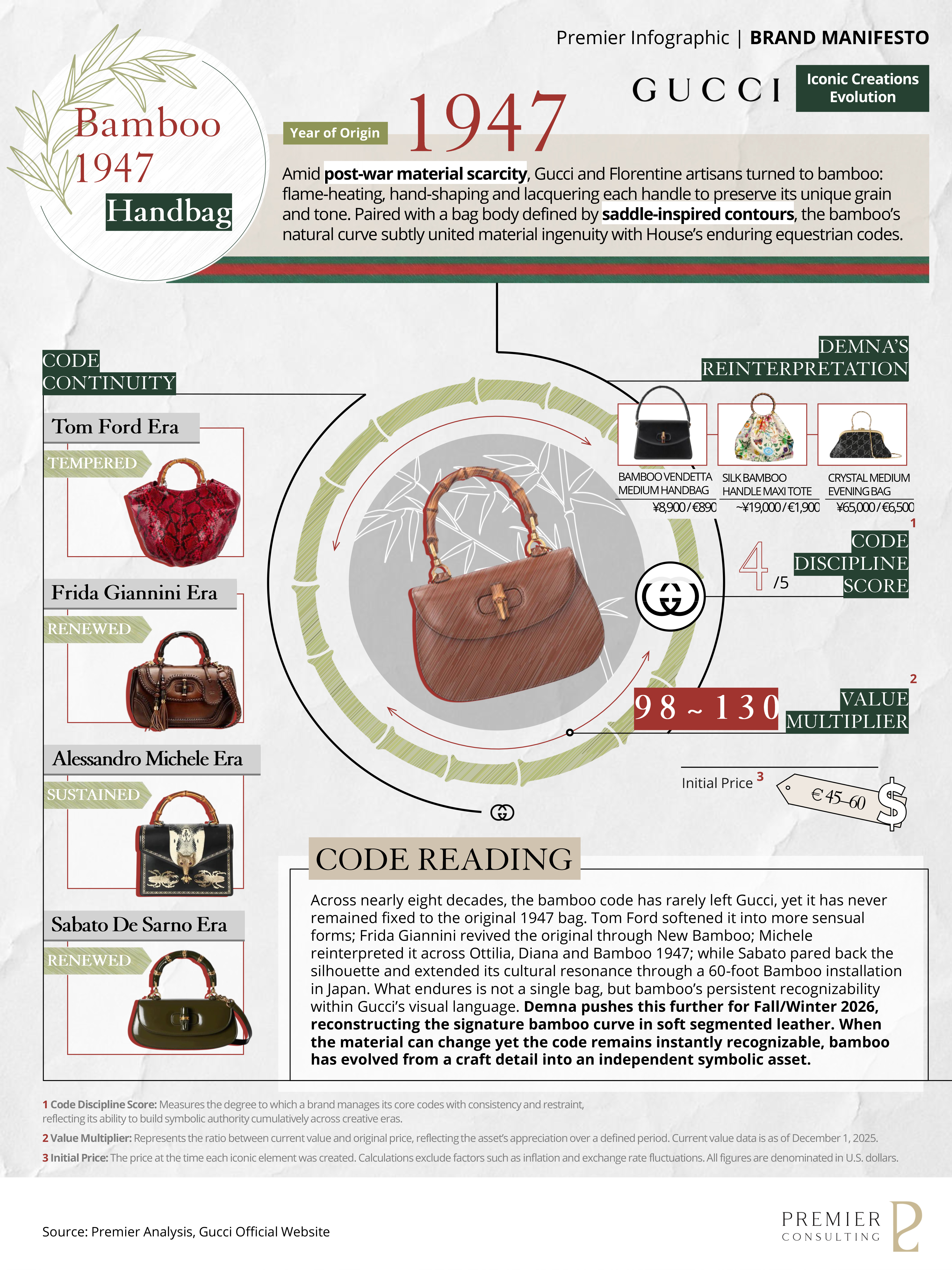
Timelessness — renewing signature assets without eroding their recognition or continuity.
The product portfolio, price architecture and selective access then determine how consumers enter the world of Gucci and progress through its value hierarchy.
The significance of lower prices, therefore, lies in clarifying why each tier of the offer merits its price. The significance of this show extends beyond generating the next wave of attention: Demna’s creative language must take shape as a Gucci that can be recognized, owned and passed on.
If those two efforts converge, a season of attention may mature into lasting affinity—and brand equity may grow anew as desire is renewed.
Let every price have its place, and every piece its worth.
Let heritage find new expression, its signatures enduring.
May a season’s fascination become a lasting affinity;
May desire, rekindled today, deepen with the years.
Related Articles
A New Chapter in Experiential Luxury Business

How Brunello Cucinelli Masters Technology to Preserve Craftsmanship?
Luxury’s Refined Path Through Turbulence
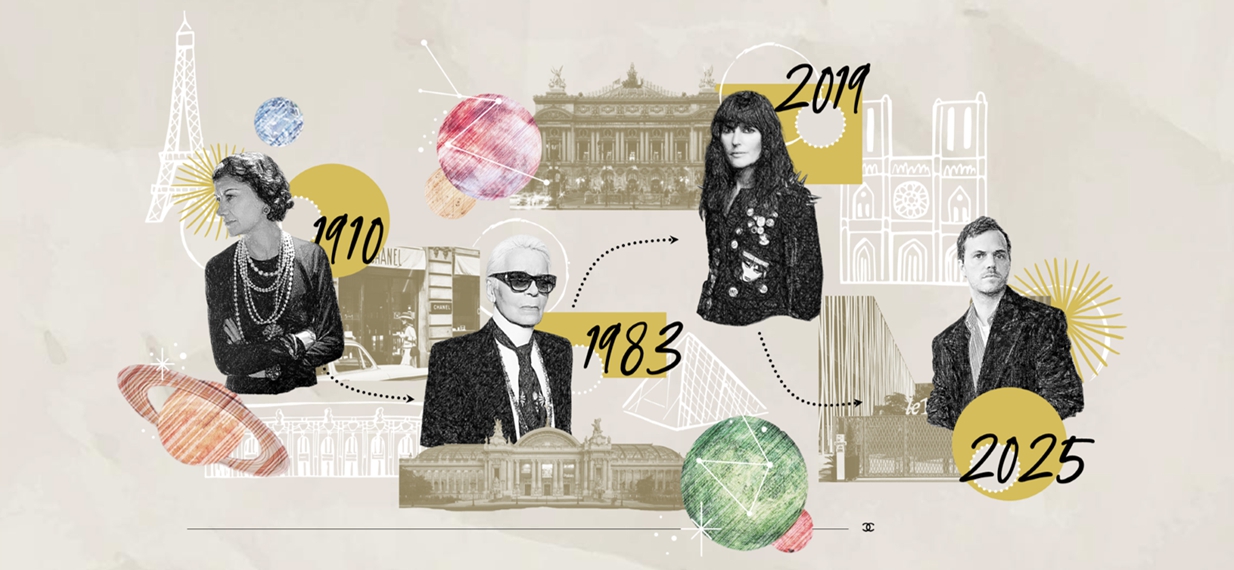
The New Epoch of CHANEL Begins

Shanghai
11/F · WSH Building
POLY GREENLAND PLAZA
198 Jingzhou Road
Shanghai PRC · 200082
London
OFFICE SUITE 29A · 3/F
23 Wharf Street
London England · SE8 3GG
Hongkong
9/F · Tower A
NEW MANDARIN PLAZA
14 Science Museum Road
Hongkong SAR · 999077